
Does buying from eco-friendly brands actually help the environment? Yes — when brands are transparent, support real conservation work, and tie impact directly to sales, everyday purchases can create measurable change.
The challenge isn’t caring. Most of us already do. We’re simply trying to make thoughtful choices in a world full of noise, labels, and good intentions. Knowing which claims are rooted in real action — and which stop at words — is where things begin to shift.
Why So Many People Doubt Eco-Friendly Shopping
If you’re skeptical about ethical shopping, honestly — fair. Most of that skepticism comes from experience. We’ve all seen the same promises recycled, dressed up in slightly different packaging.
“Eco-friendly.” “Sustainable.” “Good for the planet.” They’re familiar words, but they’re often left lightly explained.
Plenty of brands lean on soft language and hopeful messaging without ever saying what actually changes when you choose them. Sustainability becomes a mood, not a practice — something you’re meant to feel good about, without ever seeing the results. And then you’re left with questions:
-
Is this greenwashing with nicer packaging?
-
Where does the money actually go?
-
Does one small purchase move the needle at all?
Those questions all come back to the same thing: whether there’s a clear line between what a brand says and what actually happens because you choose it.

What Real Environmental Impact Actually Looks Like
Real environmental impact is practical. It’s specific, measurable, and built with the long view in mind — because the planet doesn’t benefit from short-term promises. It also means reducing harm at the source, especially plastic waste, instead of relying on cleanup after the fact.
In practice, a few things tend to show up again and again when impact is real.
Direct funding. Meaningful change isn’t created from vague pledges or leftover profits. It happens when support is built directly into sales, so every purchase contributes in a clear, predictable way.
Measurable outcomes. Real programs track what actually changes over time. Not just good intentions, but tangible results — what was protected, restored, or reduced because the work was funded and carried through.
Community-based conservation. The most effective environmental efforts are led by people who live in and understand the ecosystems being protected. When local conservation leaders are supported with resources — rather than replaced by outside agendas — the work is far more likely to last.
This is where partnerships make the difference. Brands that truly help don’t try to reinvent the work; they support organizations already doing it well, season after season.
One of those partners is SEE Turtles, a conservation organization we work with to support sea turtle protection and plastic reduction through every Blue Heron Botanicals purchase. Their focus is on protecting nesting beaches, reducing plastic pollution, and supporting local conservation leaders around the world, with an emphasis on long-term protection rather than one-time efforts.

What Small, Everyday Choices Made Possible
It’s easy to underestimate the power of repetition. One choice might feel insignificant on its own, but environmental progress is rarely the result of a single dramatic action. More often, it comes from many small decisions made steadily over time.
Through conservation programs supported by everyday purchases, SEE Turtles has:
-
Helped protect over 20 million baby sea turtles
-
Supported the removal of 500,000+ pounds of plastic from oceans and nesting beaches
-
Directed $1.7+ million toward long-term, community-led conservation efforts
These results didn't come from extraordinary behavior. They were made possible because people continued choosing better options in their daily lives — the products they reached for regularly, not occasionally.

Where Blue Heron Botanicals Comes In
Every Blue Heron Botanicals product supports saves at least one sea turtle and reduces plastic pollution through our partnership with SEE Turtles. A portion of each purchase is donated to two of their programs: Billion Baby Turtles and Sea Turtles & Plastic.
Through Billion Baby Turtles, funds go directly to grassroots conservation groups protecting nesting beaches in places like Costa Rica, Mexico, and Australia. That support helps safeguard nesting mothers and eggs, protect incubation sites, and increase the chances that hatchlings make it safely to the ocean.
The other half supports Sea Turtles & Plastic, a program focused on reducing plastic pollution through community-led education, beach cleanups, and local waste solutions that keep plastic off nesting beaches while supporting long-term change.
So far, your purchases have saved over 100,000 sea turtles!
If you’d like a deeper look at how this work happens behind the scenes, you can read the full story here: Read our sea turtle conservation story →

Why Small Rituals Matter More Than Big Gestures
Eco-friendly choices tend to matter most when they’re part of daily life, not something we reach for once and forget.
The products we use every day leave a much larger footprint than the ones bought with good intentions and set aside. When those everyday essentials are packaged without plastic, made with thoughtfully sourced ingredients, and tied to real environmental work, their impact begins to compound.
That’s why choices like zero-waste packaging, local sourcing, and built-in conservation support make such a difference. Plastic-free materials reduce waste before it ever reaches landfills or oceans. Botanicals sourced close to home lower unnecessary transport and keep herbal care rooted in place. And brands that give back through every sale turn routine purchases into steady, ongoing support for the planet.
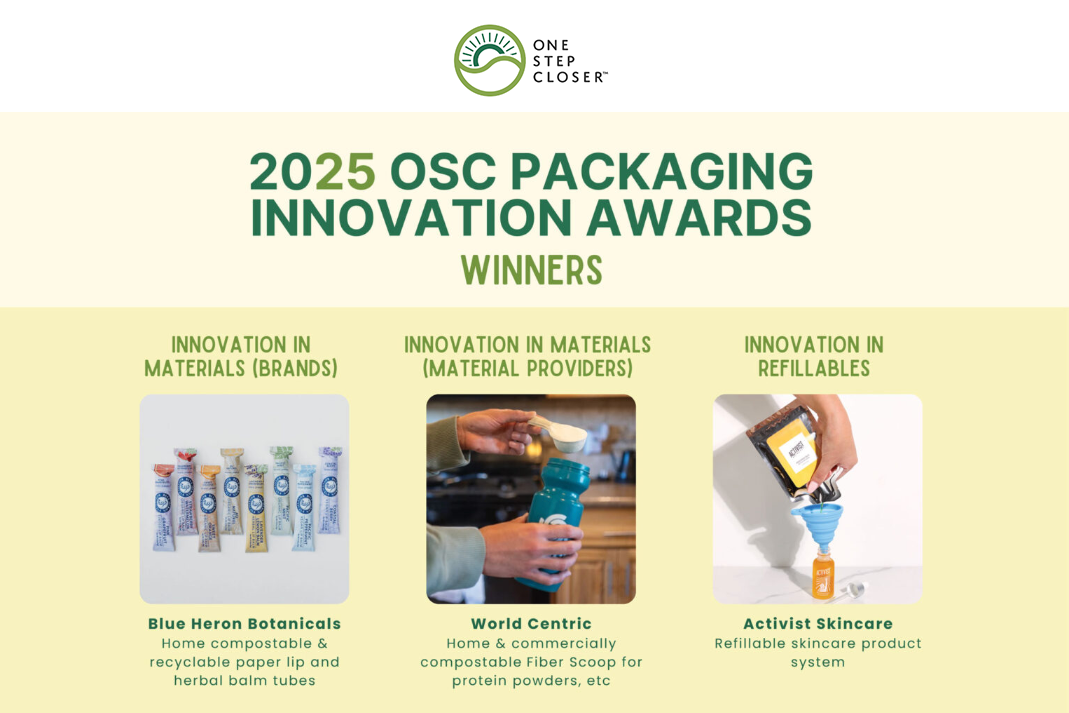
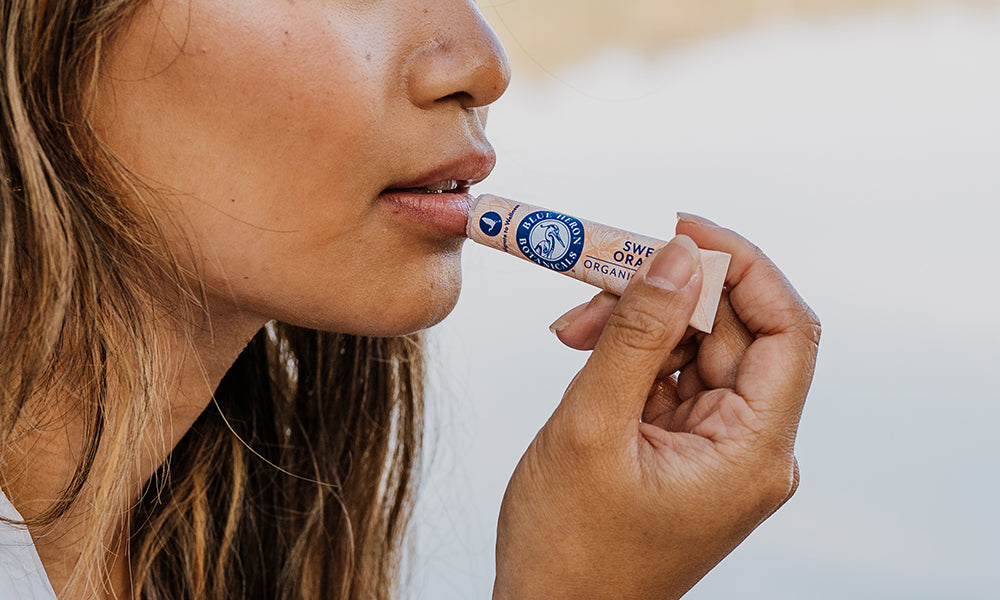
This is where Blue Heron fits. Our balms and salves are made for daily use, packaged without plastic, crafted with locally sourced and organic ingredients whenever possible, and connected directly to sea turtle conservation and plastic reduction through our partnership with SEE Turtles. Over time, those everyday choices add up to real change.
You don’t have to overhaul your life to make a difference. You just have to choose with care, right where you are.

A Gentle Place to Begin
There’s no perfect way to do this — just small, steady ways to begin. If supporting the planet through everyday care feels aligned, you’re welcome to continue here:
Care, practiced steadily, has a way of making itself felt.
Your questions, answered
Does buying from eco-friendly brands actually help the environment?
It can — when brands are transparent, reduce waste at the source, and tie real conservation work directly to sales. When impact is built into how a business operates, everyday purchases can support measurable change over time.
How does buying from Blue Heron Botanicals help sea turtles?
A portion of every product sold is donated to sea turtle conservation and plastic reduction programs run by SEE Turtles, including Billion Baby Turtles and Sea Turtles & Plastic. Each purchase helps protect at least one baby sea turtle while supporting long-term conservation work.
Is zero-waste packaging really better for the environment?
In most cases, yes. Plastic-free, compostable packaging reduces waste before it reaches landfills or oceans and helps prevent long-term pollution that harms wildlife and ecosystems.
Does ethical shopping really make a difference?
Ethical shopping matters most when it’s consistent. Choosing products you use regularly — from brands that reduce waste and give back — allows small, repeat decisions to add up over time.