
Every summer, St. John’s Wort blooms under the longest days of the year, its bright yellow flowers opening toward the sun. If you press a bud gently between your fingers, it releases a deep red stain — a sign of the plant’s active constituents and the reason herbalists have infused these blossoms into oil for generations.
When the flowers are at their peak, we harvest them by hand and slowly solar-infuse the fresh flowering tops into organic olive oil. That infusion becomes part of our Lavender Lemon Balm Lip Balm because when your lips crack, flare, or begin to tingle, they need more than surface moisture — they need botanical support that works with your skin’s natural healing process.

How St. John’s Wort Works on Your Skin
Calming Inflammation
If your skin feels cracked, windburned, or slow to bounce back, it’s because it’s inflamed. You see it as redness and feel it as heat, tenderness, or that tight, overstretched sensation. The lips are especially prone to this because they’re delicate and constantly exposed, but the same process happens anywhere skin becomes stressed.
A little swelling is part of healing. But when it lingers, skin struggles to settle and rebuild.
St. John’s Wort contains naturally occurring compounds like hyperforin, hypericin, flavonoids, and tannins — plant constituents that support the skin’s stress response and cellular renewal. Hyperforin, in particular, helps regulate swelling while encouraging tissue regeneration at the same time.
That combination is why St. John’s Wort has been infused into traditional salves for generations to help inflamed skin calm and regain strength.
Supporting Tissue Repair and Barrier Strength
Your skin depends on a healthy barrier to retain moisture and shield it from environmental stress. Lips are especially vulnerable because they don’t produce their own oil, so they rely entirely on what you apply for protection. When that barrier weakens, moisture escapes quickly, cracks form more easily, and healing takes longer.
St. John’s Wort supports the skin as it strengthens and rebuilds. When the fresh flowers are infused into olive oil, the plant’s compounds absorb easily, helping reinforce the surface while the tissue underneath repairs.
For dry, stressed skin and lips to regain balance, they need both protection and renewal. St. John’s Wort offers both — helping your skin hold onto moisture while encouraging damaged skin to restore itself.

Antimicrobial Support Where You Need It
When your lips crack or a cold sore opens, the skin barrier is broken. That creates an entry point for bacteria, which can increase redness, tenderness, and delay repair.
St. John’s Wort contains compounds like hyperforin that help inhibit the growth of certain bacteria on the skin. By limiting that growth, it prevents additional irritation on already fragile tissue.
On delicate areas like the lips, that matters. Less bacterial interference means your skin can focus on rebuilding instead of reacting.
Easing Pain and Nerve-Related Sensitivity
Sometimes irritated skin doesn’t just look red — it feels sharp, stingy, or overly sensitive to the touch. When tissue is damaged or inflamed, local nerve endings become more reactive, and everything feels amplified.
St. John’s Wort has long been used in herbal salves for exactly that reason. It helps settle that heightened response while the skin knits back together.
On the lips, this makes a real difference. Cracked lips hurt. Cold sores throb and sting. Applying a St. John’s Wort infusion doesn’t just support healing — it helps take the edge off so recovery feels steadier and more comfortable.
If your lips are cracked or a cold sore is starting to flare, this is why we reach for our Lavender Lemon Balm Lip Balm — layered plant support in one zero-waste tube.
Antioxidant Support for Sun-Exposed Skin
St. John’s Wort blooms under intense summer light, and that relationship shows up in its chemistry. The plant contains flavonoids and other antioxidant compounds that support skin after environmental stress — sun, wind, dry air, long days outdoors.
That’s why herbalists have long reached for St. John’s Wort oil in after-sun salves — it helps skin settle after exposure and regain its balance. That includes lips - after a beach day or a windy hike, when they feel tight and overworked, it helps them bounce back more smoothly.

Why Solar Infusion Matters
After harvest, the fresh flowering tops are submerged in organic olive oil and placed in sunlight for several weeks. As they rest in the warmth, the oil gradually turns a deep ruby red — a visible sign that the plant’s constituents have infused into the oil.
Solar infusion is a slow method of extraction. Instead of forcing heat or isolating individual compounds, time and sunlight draw out the plant in its full complexity. The result is a whole-plant infusion, where the plant’s compounds remain in relationship with one another, just as they do in the living plant.
When you apply it, you’re applying the plant in its full expression — not a single isolated extract, but the plant as it was traditionally prepared and used.

Why Wildcrafting Matters
Wild plants grow in relationship with their environment. Wind, shifting temperatures, soil conditions, and sunlight all influence how they develop. That relationship shapes the plant’s chemistry and, ultimately, how it works on the body.
When we harvest St. John’s Wort, we never take more than 25–50% of a patch so it can regenerate. We gather only the buds, leaving the plant rooted and thriving. Some years the patches are abundant. Other years they shift location entirely.
Harvesting is done by hand, season by season. Theora has also taught her mother how to gather St. John’s Wort in Vermont, so some of the oil carries East Coast sun as well.
Working this way keeps the plant population strong and ensures that what goes into the jar reflects the place and season it came from.
Why We Pair It with Lemon Balm and Lavender for Cold Sores
Cold sores don’t happen for just one reason. Viral activity is part of it, but so is swelling, tissue damage, and often the emotional strain that triggered the flare in the first place. That’s why we combine three herbs that each support a different layer of the process.
Lemon Balm — Viral Support
Lemon balm is one of the most trusted herbs for cold sores. It has been widely studied for its antiviral activity against herpes simplex virus, helping stop an outbreak altogether when applied at the first sign of tingles, or speed up the healing if an outbreak is already underway.
Lemon balm is a plant ally we return to again and again — explore its benefits for body and mind →
St. John’s Wort — Tissue Repair + Inflammatory Balance
St. John’s Wort helps settle irritated tissue while encouraging damaged skin to rebuild, which shortens recovery time and reduces lingering discomfort.
Lavender — Skin + Nervous System Support
Lavender contributes anti-inflammatory compounds and gently supports the nervous system. Because stress often triggers outbreaks, calming your system supports immune balance and healing.
In a 2020 published case report, a botanical gel containing St. John’s Wort, lemon balm, lavender, and other plant extracts helped a recurring cold sore resolve more quickly than the person’s previous over-the-counter treatments. Pain eased within hours, and visible healing progressed noticeably over the next couple of days. With early use at the first sign of tingling, that same individual later reported far fewer outbreaks — a compelling example of how layered plant support can work across multiple stages of a flare.

When Your Lips Need Real Support
When your lips are dry, cracked, windburned, or recovering from a cold sore, they need more than surface moisture. They need steady support across inflammation, barrier repair, and tissue recovery.
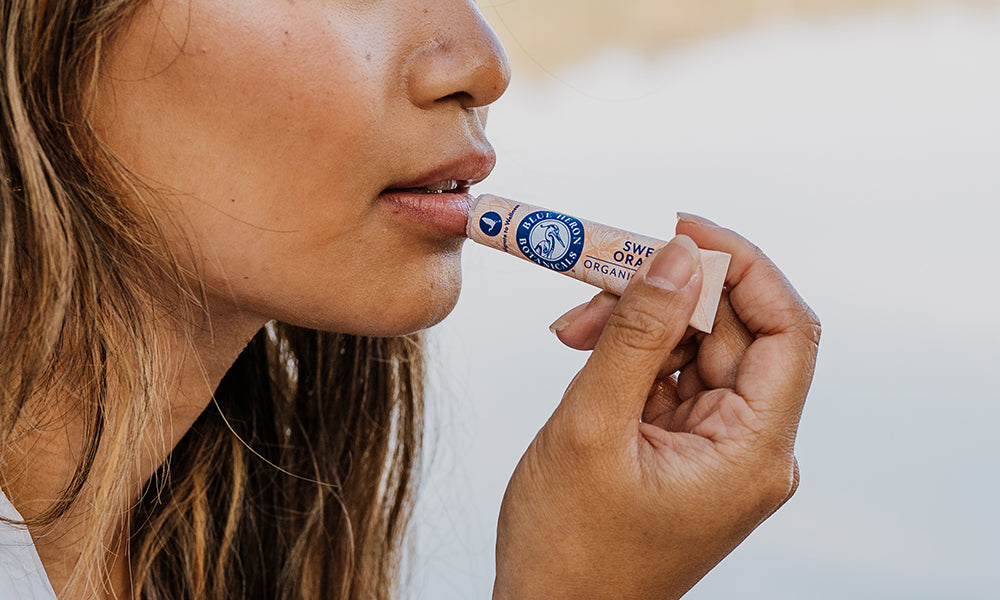
Every tube of our Lavender Lemon Balm Lip Balm carries that wildcrafted, solar-infused St. John’s Wort inside — gathered by hand and infused in sunlight to help your skin return to balance.